

Understanding Viral vs. Bacterial Infections: How They Differ and Why It Matters
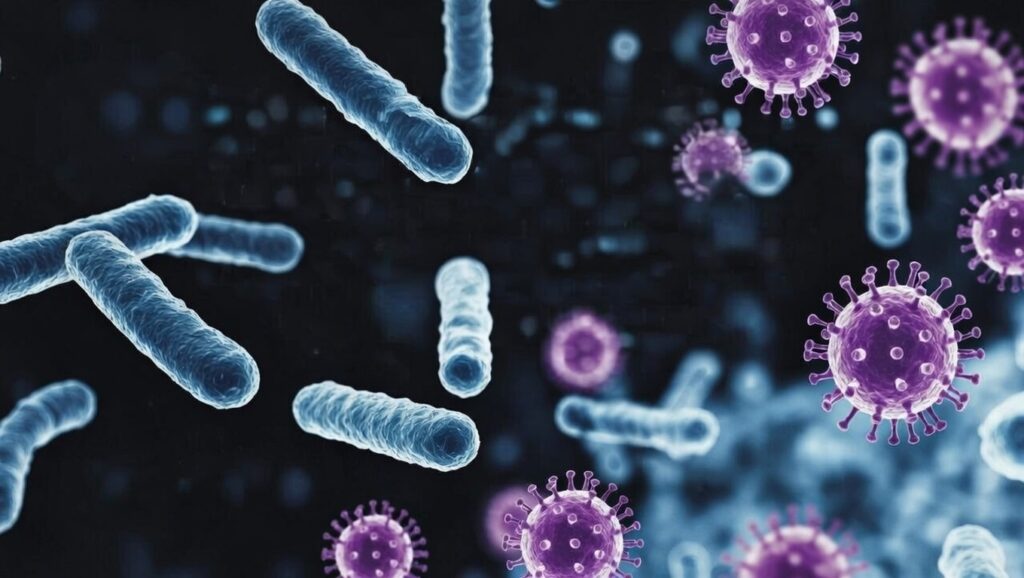
When you’re unwell, symptoms like fever, fatigue, sore throat or body aches can feel similar whether the cause is a virus or a bacterium. However, viruses and bacteria are fundamentally different types of organisms, and understanding how they work is key to getting the right care and treatment.
What Are Viruses?
Viruses are tiny particles made of genetic material (DNA or RNA) inside a protein shell. Unlike living cells, they cannot reproduce on their own. To grow and spread, viruses invade a host’s body cells and use the cells’ machinery to make more copies of themselves.
Common viral infections include:
- The flu (influenza)
- COVID-19
- The common cold
- Chickenpox
Viral illnesses often require supportive care, such as rest and fluids, and in some cases are treated with drugs that target specific viruses. Antibiotics — which kill bacteria — do not work against viruses.
What Are Bacteria?
Bacteria are single-celled microorganisms with a complete cellular structure. Some bacteria live in and on your body and are beneficial — for example, those in your gut that help digestion.
However, a subset known as pathogenic bacteria can cause infections such as:
- Strep throat
- Urinary tract infections
- Tuberculosis
Because bacteria are independent cells, they can often be killed or stopped from multiplying using antibiotics, which target bacterial cell structures or processes.
Similar Symptoms — But Different Causes
Although viruses and bacteria are distinct, they can both cause similar symptoms, such as:
- Fever
- Fatigue
- Pain
- Cough
- Decreased appetite
These shared symptoms occur because your body’s immune system responds to any invading organism — whether viral or bacterial — by activating defenses like inflammation, immune signaling molecules, and fever.However, because the underlying causes differ, the correct treatment depends on the diagnosis. A doctor may order laboratory tests to determine whether you have a viral or bacterial infection so the appropriate approach can be chosen.
Treatment Differences: Why They Matter
The main difference between managing bacterial and viral infections is the type of medication used:
Bacterial infections
- Often treated with antibiotics
- Antibiotics kill or stop the growth of bacteria
- Misuse can contribute to antibiotic resistance if taken unnecessarily
Viral infections
- Not responsive to antibiotics
- Some viruses have specific antiviral treatments
- Other cases are managed with supportive care (rest, hydration, symptom relief)
Using the wrong treatment — such as antibiotics for a viral illness — won’t help and can contribute to resistance and other complications.
Prevention and Early Care
Prevention strategies like handwashing, staying up to date on recommended vaccinations, and avoiding close contact with sick people can reduce the spread of both bacterial and viral infections. Additionally, seeking medical advice early helps ensure the correct diagnosis and treatment plan.
Key Takeaways
- Viruses require a host to replicate and cause illnesses like influenza and COVID-19.
- Bacteria are independent microorganisms that can be treated with antibiotics.
- Similar symptoms often occur, but treatment must match the type of infection.
Correct diagnosis prevents misuse of medications and supports faster recovery.
References
- Mayo Clinic — Bacterial vs Viral Infections: How Do They Differ?
https://www.mayoclinic.org/diseases-conditions/infectious-diseases/expert-answers/infectious-disease/faq-20058098 - Healthline — Bacterial vs Viral Infections: What’s the Difference?
https://www.healthline.com/health/bacterial-vs-viral-infections - Verywell Health — Viral vs. Bacterial Infection: What’s the Difference?https://www.verywellhealth.com/viral-vs-bacterial-infection-what-s-the-difference-5442997