

Understanding the True Impact of Influenza: A Closer Look at What We Can Learn
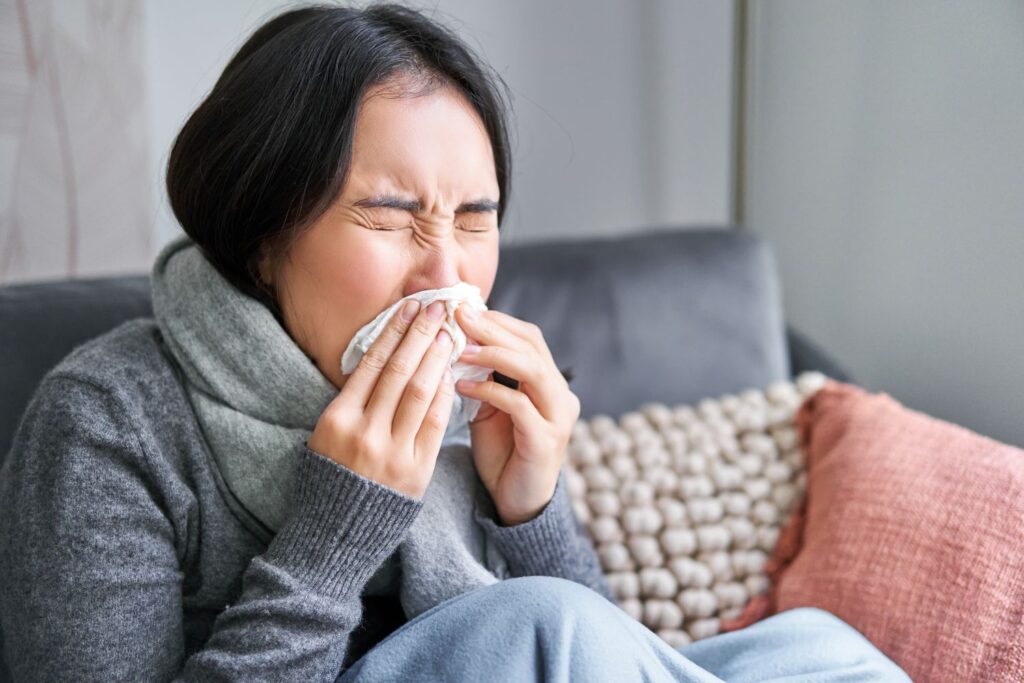
Influenza — commonly known as the flu — comes and goes each year, yet its impact on health systems, individuals, and society is often underestimated. While many people think of flu as a short-lived respiratory illness, the reality is that its consequences extend far beyond a few days of fever and chills.
Why It’s Important to Look Beyond the Surface
Every flu season is unique, but recent data from international public health analyses show that influenza continues to exert significant pressure on healthcare services and vulnerable populations. Despite widespread vaccination programs in many countries, gaps in protection and delays in implementation can leave high-risk groups especially exposed.
Older adults, in particular, bear a disproportionate burden. In several nations, they accounted for a substantial share of hospital admissions related to influenza-like illness, and in some cases, mortality rates linked to flu have risen sharply compared with recent years.
The Hidden Burden on Health Systems
One of the key challenges in appreciating the full impact of influenza is the lack of consistent, real-time data. Surveillance systems around the world differ in how they record flu cases, hospital stays, and deaths. This makes it hard for policymakers and healthcare leaders to compare outcomes and understand the complete picture each season.
The costs associated with influenza extend beyond clinical care. In the United States, for example, average inpatient costs for a flu-related hospital stay are substantial, and high rates of readmission contribute to ongoing strain on medical facilities.
Why Some Seasons Hit Harder Than Others
Even where national vaccination strategies exist, real-world protection can fall short for several reasons:
- Delayed vaccine rollouts or distribution challenges can mean that many at-risk individuals are not immunized in time.
- Rigid procurement policies may limit the flexibility needed to respond to emerging viral strains.
- Under-protected populations, such as older adults or those with weakened immune systems, remain especially at risk when uptake is low or immunity wanes.
These protection gaps translate into more hospitalizations, increased healthcare costs, and — unfortunately — more flu-related deaths than might otherwise occur.
Turning Data Into Action
To truly reduce the burden of influenza, there is a need for smarter, data-driven approaches that go beyond broad policies. This includes:
- Strengthening surveillance systems so that health officials can track flu activity in real time.
- Reducing the time between vaccine development, distribution, and administration.
- Targeting outreach efforts to ensure high-risk groups are protected early in the season.
- Using comparative data across countries and regions to inform future preparedness planning.
Why This Matters to You
Whether you are a healthcare professional, patient, caregiver, or policymaker, it’s important to recognize that influenza is more than a seasonal inconvenience — it is a recurring public health challenge with measurable effects on lives, health systems, and economies. By understanding the full scope of its impact, we can advocate for better preventative strategies, improved vaccination coverage, and more resilient health systems.
Takeaway
Influenza’s burdens are not always visible in the headlines, but its effects are deeply felt each year — especially among older adults and vulnerable populations. As we learn more from comprehensive analyses and health data around the world, our responses can become more effective and equitable.
References
- World Health Organization. Seasonal Influenza (Fact Sheet). Available at: https://www.who.int/news-room/fact-sheets/detail/influenza-%EF%BC%88Seasonal%EF%BC%89
- CDC. 2023–2024 Influenza Season Summary. Available at: https://www.cdc.gov/flu/whats-new/flu-summary-addendum-2023-2024.html
- CDC. About Estimated Flu Burden. Available at: https://www.cdc.gov/flu-burden/
- CDC. FluSurv-NET: Influenza Hospitalization Surveillance Network. Available at: https://www.cdc.gov/fluview/overview/influenza-hospitalization-surveillance.html
- CDC. How CDC Estimates the Burden of Flu Prevented by Vaccination. Available at: https://www.cdc.gov/flu-burden/php/about-burden-prevented/how-cdc-estimates-vaccinations.html
- OECD. Health at a Glance 2025 — Routine Vaccinations. Available at: https://www.oecd.org/en/publications/2025/11/health-at-a-glance-2025_a894f72e/full-report/routine-vaccinations_f0bccaad.html
- Sanofi. Flunomics: Assessing the True Impact of Flu. Available at: https://www.sanofi.us/en/sanofi-today/your-health/flunomics-assessing-the-true-impact-of-flu
- World Health Organization. Influenza (Seasonal) Overview. Available at: https://www.who.int/health-topics/influenza-seasonal