
How Digital Innovation and AI Are Transforming Pharmaceutical Manufacturing and Supply
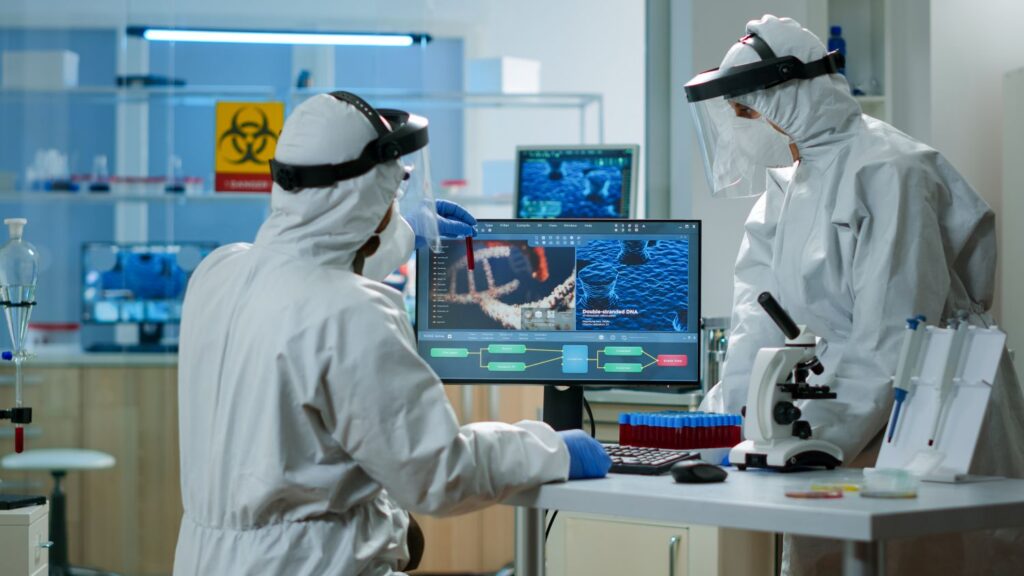
In today’s fast-moving healthcare landscape, technology is reshaping how medicines are made and distributed. Digital tools and artificial intelligence (AI) are no longer futuristic ideas — they are now essential parts of modern pharmaceutical manufacturing and supply chains. By integrating advanced analytics, automation, and smart systems, pharmaceutical companies are able to improve quality, enhance safety, and deliver treatments to patients faster and more reliably than ever before.
The Shift Toward Digital Manufacturing
Pharmaceutical manufacturing has traditionally relied on manual processes and siloed systems, which can be slow, error-prone, and difficult to scale. Today, companies are moving toward digitized operations, where real-time data flows seamlessly across teams and facilities. These digital systems help monitor production lines, identify issues quickly, and make adjustments without slowing down the process. Advanced analytics allow manufacturers to gain a clearer picture of what’s happening on the factory floor, anticipate potential disruptions, and respond in a proactive manner. This means fewer delays, fewer mistakes, and a more resilient supply chain overall — a benefit that ultimately supports patients who depend on consistent access to medicines.
Role of AI in Manufacturing and Supply
AI plays a major role in bringing intelligence to pharmaceutical manufacturing and logistics. By using machine learning and predictive models, companies can streamline many routine tasks and improve decision-making at multiple stages of the process. Some key ways AI is making a difference include:
1. Enhanced Data Insights
AI can process large amounts of data from sensors and systems to reveal patterns that humans might miss. These insights help manufacturers optimize production parameters and reduce waste.
2. Automation of Repetitive Tasks
AI-driven automation takes over time-intensive tasks such as generating quality reports or compiling production documentation. This frees up skilled professionals to focus on higher-value problem solving instead of administrative work.
3. Predictive Quality and Stability Modeling
By analyzing past and current data, AI can help predict how products will behave over time, allowing teams to make smarter decisions about formulation and release timelines.
Flexible and Resilient Supply Chains
Beyond individual factories, digital tools enhance supply chain visibility. Connected systems offer up-to-the-minute updates on inventory levels, equipment status, and logistics movements. When combined with AI, these systems can forecast supply risks, plan around potential bottlenecks, and ensure that critical medicines reach their destinations on time.
This type of resilience is especially important during global health emergencies, when demand for certain treatments can surge unexpectedly. Manufacturers equipped with digital and AI-capable supply systems can adapt production quickly to match changing needs.
Smarter, Safer Production Facilities
One of the most exciting developments in pharmaceutical manufacturing is the rise of digitally enabled production facilities. These next-generation sites are designed to operate more efficiently and reliably through automation, robotics, and real-time data capture.
For example, modular production platforms allow multiple types of therapies — including vaccines, biologics, and recombinant proteins — to be produced within the same facility using adaptable equipment. This kind of flexibility makes it easier to respond to local and global health demands without major downtime.
Empowering People and Innovation
Technology doesn’t replace human expertise — it enhances it. Modern digital systems help teams collaborate better by providing shared, accurate data. This eliminates repetitive paperwork and reduces opportunities for errors, allowing experts to dedicate more time to innovation and problem-solving.
Digital accelerators and cross-disciplinary teams — combining skills from data science, engineering, and pharmaceutical manufacturing — further support this transformation by developing new solutions and improving processes across the value chain.
What This Means for Patients
All of these technological advancements — from predictive analytics to AI-driven automation — have a common goal: deliver safe, effective medicines to patients faster and more consistently. When production is more reliable and supply chains are robust, patients around the world benefit from fewer stock-outs, timely access to treatments, and improved overall quality of care.
In a rapidly changing health environment, digital innovation helps ensure that healthcare systems are better prepared to deliver the treatments people need — when they need them — without compromising quality or safety.
References
- Sanofi — Digital & AI-Powered Manufacturing: Delivering Faster and Safer for Patients
https://www.sanofi.com/en/magazine/our-science/digital-and-ai-powered-manufacturing-and-supply-delivering-faster-and-safer-for-patients (turn0search0) - Sanofi — Digital Transformation and Artificial Intelligence Overview
https://www.sanofi.com/en/our-science/digital (turn0search1) - Biozialifesciences — How AI Is Used in Pharma Manufacturing & Supply Chains https://biozialifesciences.com/ai-in-pharma/