
Understanding RSV: Risks, Vulnerable Populations, and How to Protect Yourself
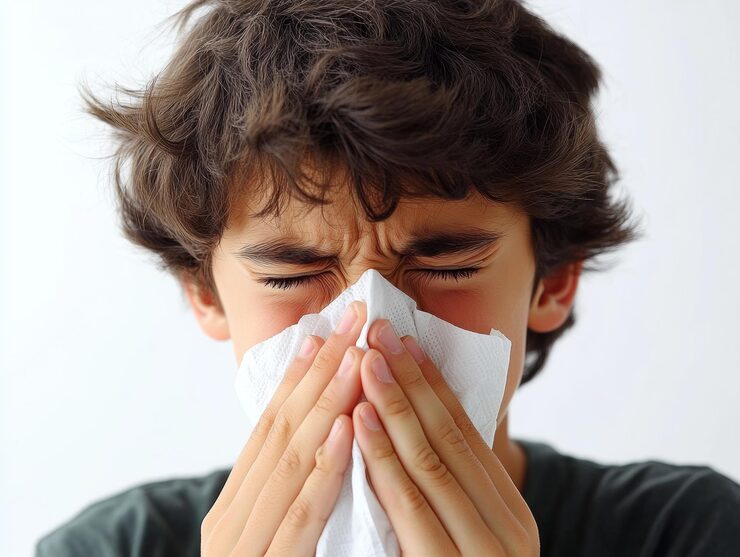
Respiratory Syncytial Virus — commonly called RSV — is a widespread respiratory virus that affects people of all ages. While many individuals experience mild, cold-like symptoms, RSV can lead to serious illness and complications, particularly among older adults and people with existing health conditions.
Why RSV Is a Concern for Adults 50+ and People with Chronic Conditions
Although RSV is often associated with infants, it also poses a significant risk to adults, especially those aged 50 years and older and people with long-term health conditions such as diabetes, chronic lung disease, or heart problems.
For these individuals:
- The virus can aggravate existing health challenges.
- Infection may lead to severe respiratory symptoms.
- The risk of hospitalization is higher compared with generally healthy people.
Underlying conditions can weaken the body’s ability to manage infections, making what might otherwise be a mild illness into a more serious health event.
Common Misconceptions About RSV
Despite its potential severity among vulnerable groups, RSV is often underestimated. Many people think of it as “just another cold,” but the reality is more complex.
Some commonly misunderstood points include:
- RSV does not only affect the lungs — it can worsen blood sugar control, heart strain, and respiratory function.
- Even adults with chronic conditions may not realize they are at increased risk. Awareness gaps can delay early care seeking, increase complications, and worsen outcomes.
Understanding these facts can help individuals and caregivers recognize when to seek medical guidance.
Symptoms and Severe RSV Signs
RSV symptoms often resemble those of a cold or mild respiratory infection, including:
- Runny nose
- Cough
- Fever
- Wheezing or difficulty breathing in severe cases
While most adults recover without complications, RSV can sometimes progress to more severe illnesses like bronchiolitis or pneumonia, particularly in older adults and those with compromised health.
Who Is Most at Risk?
Certain groups are more likely to experience serious RSV illness:
- Older adults
- People with chronic lung disease or asthma
- Individuals with heart conditions
- Those with diabetes or weakened immune systems
These individuals may require medical care or even hospitalization if RSV becomes severe.
Protective Actions You Can Take
There are several proactive steps individuals can take to reduce the risk and impact of RSV:
Practice Good Hygiene
Frequent handwashing with soap and water can reduce the spread of RSV and other respiratory viruses.
Vaccination (Where Recommended)
RSV vaccines approved for older adults and certain risk groups can help prevent severe illness. Talk with your healthcare professional to find out if vaccination is right for you.
Avoid Close Contact When Unwell
Staying away from crowded indoor settings or close contact with sick individuals can reduce transmission.
Stay Home if You’re Sick
If you have respiratory symptoms, staying home limits the spread of infection to others — especially those who might be vulnerable.
Know When to Seek Help
If symptoms worsen (e.g., trouble breathing, persistent fever), seek medical attention early.
The Broader Importance of Awareness
Increasing public awareness about RSV — particularly among older adults and people with chronic health conditions — is key to improving outcomes and reducing the broader burden on healthcare systems. Informed patients are more likely to take preventive measures, seek prompt care, and make decisions that protect not only themselves but also their families and communities.
References
WHO — Respiratory Syncytial Virus (RSV) Fact Sheet
U.S. Department of Health and Human Services — RSV Overview
https://www.hhs.gov/immunization/diseases/rsv/index.html HHS