

Fighting Cancer: A Journey of Resilience and Hope
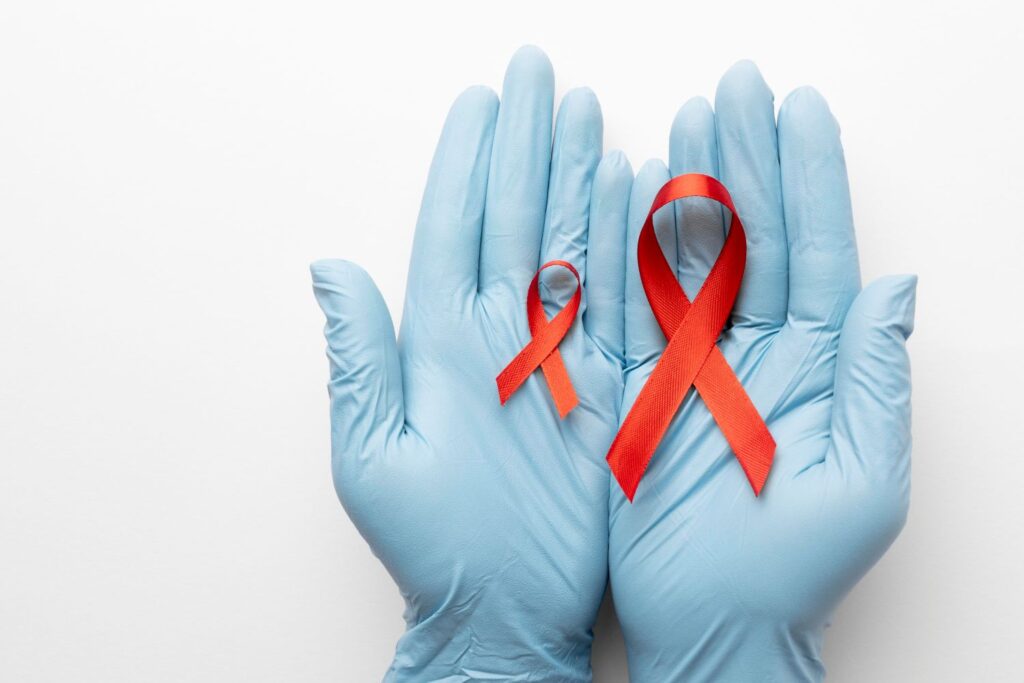
Important Note: This is a fictional composite narrative created for educational and inspirational purposes. It does not represent a real individual’s experience. This generated content illustrates common scenarios in cancer treatment based on typical patient journeys. Individual cancer experiences vary significantly. This is not medical advice. Consult your oncologist for personalized treatment recommendations.
Arun, a 48-year-old civil engineer from Bangalore, started noticing blood in his stool during his morning routine. “At first, I thought it was just hemorrhoids—I’d had them before,” he recalls. “I ignored it for two months, too embarrassed to talk about it and too busy with a major project deadline at work.”
When the bleeding persisted and he started feeling unusually tired, his wife insisted he see a doctor. “She literally made the appointment for me and drove me there. I’m grateful she did.”
The Diagnosis
After a colonoscopy and biopsy, Arun was diagnosed with colorectal cancer—Stage III. “The gastroenterologist was straightforward. He said, ‘You have cancer in your colon. The good news is we caught it before it spread significantly. The challenging news is you’ll need surgery and chemotherapy.'”
Arun sat in silence for what felt like minutes. “I’m 48. I have two kids in college. I coach a local cricket team on weekends. Cancer was something that happened to other people, older people. Not me.”
The oncologist explained that the cancer had spread to some nearby lymph nodes but not to distant organs. “She used the term ‘locally advanced’ and said the treatment plan would be aggressive but that many patients with similar staging have excellent outcomes. I held onto that word—’excellent.'”
Preparing for Surgery
The first step was surgery to remove the tumor and affected portion of the colon. “The week before surgery was the longest week of my life. I tried to act normal around my kids, but I was terrified. What if they opened me up and found it had spread everywhere? What if something went wrong during surgery?”
His surgical oncologist explained the procedure—a partial colectomy—and the possibility of needing a temporary colostomy bag. “That scared me almost as much as the cancer itself. The doctor said they’d try to avoid it, but I had to be prepared for the possibility.”
The surgery took about four hours. “When I woke up and reached down—no colostomy bag. I actually cried with relief. The surgeon came by later and said everything went well. They removed the tumor, a section of my colon, and 15 lymph nodes. Seven nodes were positive for cancer.”
Recovery and Chemotherapy
Recovery from surgery took six weeks. “The first two weeks were rough—pain, difficulty eating, exhaustion. But gradually, I could walk more, eat more. My wife made me khichdi and curd rice, easy things to digest. Small victories, like walking to the end of our street, felt monumental.”
Then came chemotherapy—twelve cycles, every two weeks. “I’d heard stories about how horrible chemo was, and honestly, it lived up to the reputation. Not every day, but the cumulative effect was brutal.”
He experienced severe nausea despite anti-nausea medications. “The first three days after each session were the worst. I couldn’t eat anything without feeling sick. I lost 12 kilograms during treatment.” The fatigue was relentless. “I’d sleep 10-12 hours at night and still need afternoon naps. Going to work was impossible—I took medical leave for the entire treatment period.”
The Side Effects Nobody Talks About
The chemotherapy also caused peripheral neuropathy—tingling and numbness in his hands and feet. “My oncologist warned me about it, but I didn’t understand how debilitating it would be. I couldn’t button my shirt or type on my phone properly. Walking felt strange, like my feet didn’t belong to me.”
His taste changed completely. “Everything tasted metallic or like cardboard. My wife would make my favorite foods, and I couldn’t taste them properly. The water tasted strange. I lived on buttermilk and coconut water because those were the only things that didn’t taste horrible.”
He also dealt with what his oncologist called “chemo brain”—difficulty concentrating and remembering things. “I’d forget simple words mid-sentence or lose track of conversations. For someone who managed complex engineering projects, this was frustrating and scary.”
The Emotional Toll
The physical challenges were matched by emotional ones. “There were days I broke down completely. I’d look at my kids and think—will I see them graduate? Get married? Give me grandchildren? The uncertainty was suffocating.”
He joined a cancer support group at his treatment center. “Meeting other people going through similar experiences helped. We’d share tips about managing side effects, make dark jokes about our hair loss—or in my case, my lack of energy. It made me feel less alone.”
His relationship with his wife deepened. “She saw me at my absolute worst—physically weak, emotionally devastated, sometimes angry at the world. She never wavered. She’d sit with me during chemo sessions, hold my hand when I was throwing up, and research dietary options to help with my appetite. I couldn’t have done this without her.”
Managing the Medications
Beyond chemotherapy, Arun had to manage multiple medications—anti-nausea drugs before and after chemo, pain medications, medications for neuropathy, supplements to support his blood counts. “I had a pill organizer with different compartments for different times of day. My wife set phone reminders because I couldn’t keep track.”
The cost was staggering. “Each chemo cycle cost about ₹80,000-90,000. Surgery, hospital stays, medications, scans—the bills kept coming. We have some insurance, which covers about 60%, but we still spent our savings and borrowed money from family. Cancer doesn’t just attack your body—it attacks your finances.”
He learned to advocate for generic medications when possible. “Some medications had generic versions that cost a fraction of the branded ones. My oncologist was supportive in prescribing generics where clinically appropriate, which helped reduce costs somewhat.”
The Scans and Waiting
Every three months during treatment, he had CT scans to monitor progress. “The waiting period between the scan and getting results—those 2-3 days—were torture. You’re constantly thinking: Has it spread? Is the treatment working?”
His scans showed the treatment was effective. “Hearing ‘no evidence of active disease’ after my sixth cycle was the best news of my life. But then the oncologist said we’d continue three more cycles to be thorough. Part of me was relieved—being aggressive about it. Another part was exhausted—I just wanted it to be over.”
Life During Treatment
Arun had to make significant lifestyle adjustments. He couldn’t attend his son’s college sports event because his immune system was compromised. “Missing those moments was heartbreaking. I watched the video later, but it’s not the same.”
He became hyper-aware of infections. “A simple cold could land me in the hospital with my weakened immune system. I wore masks everywhere before COVID made it normal. I avoided crowds, washed my hands constantly, and kept hand sanitizer everywhere.”
His cricket coaching stopped during treatment. “The team sent me videos of their matches, messages of support. They dedicated a tournament win to me. When I finally felt well enough to attend a practice session—bald, thin, weak—they gave me a standing ovation. I cried.”
Completing Treatment
Finishing his twelfth and final chemotherapy cycle was bittersweet. “I was relieved it was over, but also anxious. During treatment, you feel like you’re actively fighting. After treatment ends, you’re just… waiting. Hoping it doesn’t come back.”
His oncologist explained he’d need regular surveillance—scans every three months for the first two years, then every six months. “It’s a new kind of anxiety. Every scan, you wonder: Is this the one where they find something?”
His hair grew back, curly at first, which was unexpected. The neuropathy in his hands improved, though his feet still have numbness. “My oncologist said it might be permanent. It’s a small price to pay for being alive, but it’s still frustrating.”
Moving Forward
Eighteen months post-treatment, Arun is back at work part-time. “I tire more easily than before. I can’t work 12-hour days like I used to. But I’m working, contributing, and feeling productive again.”
He’s made dietary changes—more fiber, more vegetables, less red meat. “My gastroenterologist said diet alone didn’t cause my cancer, but eating better might reduce recurrence risk. I’m willing to try anything.”
He’s also become an advocate for early screening. “If I’d done a colonoscopy at 45 like recommended, they might have caught polyps before they became cancerous. I tell everyone I know—don’t ignore symptoms. Don’t be embarrassed. Early detection saves lives.”
Reflections on the Journey
“Cancer changed me,” Arun reflects. “I’m more patient now, more grateful for ordinary moments—having breakfast with my family, watching cricket, feeling the sun on my face. Things I took for granted before.”
“I’m also angrier sometimes—angry that this happened, angry about the financial burden, angry that my kids had to see me so sick. My therapist says that’s normal, part of processing trauma.”
“The hardest thing to accept is the uncertainty. I’ll never know if I’m truly cancer-free. Every ache, every pain—is it cancer coming back? My oncologist says that anxiety is normal, but learning to live with it is difficult.”
“But I’m here. I survived. I have scars—physical and emotional—but I’m alive. I saw my daughter’s graduation last month. Those are the moments that make everything worthwhile.”
Key Insights from This Illustrative Journey:
- Early symptoms shouldn’t be ignored or dismissed
- Cancer treatment is physically, emotionally, and financially demanding
- Side effects can be severe and affect daily functioning
- Support systems—family, friends, support groups—are crucial
- Medication adherence is critical despite difficult side effects
- Regular follow-up and surveillance are essential post-treatment
- Life after cancer involves adjustment and ongoing anxiety
- Financial planning and exploring cost-saving options matter
Disclaimer:
This narrative is fictional, A generated composite is created purely for educational and inspirational purposes. It does not represent any real patient or actual medical case. While the scenarios described reflect common experiences in colorectal cancer treatment, individual cancer experiences, treatments, and outcomes vary dramatically.
Cancer is a serious, life-threatening condition requiring immediate professional medical attention and individualized treatment. This content is for educational purposes only and does not constitute medical advice, diagnosis, or treatment recommendations.
Always consult qualified oncology specialists for:
- Proper diagnosis through appropriate testing and imaging
- Personalized treatment plans based on cancer type, stage, and individual factors
- Management of treatment side effects
- Emotional and psychological support resources
- Surveillance and follow-up care protocols
Never delay seeking medical attention for concerning symptoms. Early detection and treatment significantly impact cancer outcomes.
If you experience severe symptoms during cancer treatment—high fever, uncontrolled pain, severe bleeding, breathing difficulties, or other emergency symptoms—seek immediate medical care.
Cancer treatment decisions are complex and highly individualized. Treatment protocols, medications, and outcomes vary based on numerous factors including cancer type, stage, location, patient health status, and available treatment options.
Biofiya Healthcare provides oncology pharmaceutical products according to established regulatory standards but does not provide medical advice or treatment recommendations. This educational content is intended to promote awareness and understanding of cancer treatment experiences. All treatment decisions must be made in consultation with qualified oncology professionals who have access to your complete medical history and can provide specialized, personalized care.
For emotional support and additional resources, patients and families are encouraged to seek professional counseling and connect with cancer support organizations.